Pigmentation often shows up slowly. One patch after another. Sun exposure, acne marks, hormones, pregnancy, heat. You look in the mirror and feel confused. Online advice feels mixed. Clinics suggest different options. You hear about chemical peel pigmentation and pigmentation laser treatment. Both sound clinical. Both promise skin brightening. You want facts. You want clarity. You want results without damage.
This guide explains laser vs chemical peel for pigmentation in simple terms. Each section breaks down how each option works, who benefits, and what to expect in 2026.
Understanding Pigmentation Before Choosing Treatment
Pigmentation means excess melanin in specific skin areas. Pakistani and South Asian skin types show higher melanin activity. Heat, UV exposure, and hormonal shifts trigger dark patches. Common types include melasma, post acne marks, sun spots, and uneven tone.
Treatment choice depends on pigment depth. Surface pigment responds differently than deep dermal pigment. Skin type also matters. Brown skin reacts faster to heat and irritation. Poor treatment selection leads to rebound darkening.
What Chemical Peels Do for Pigmentation
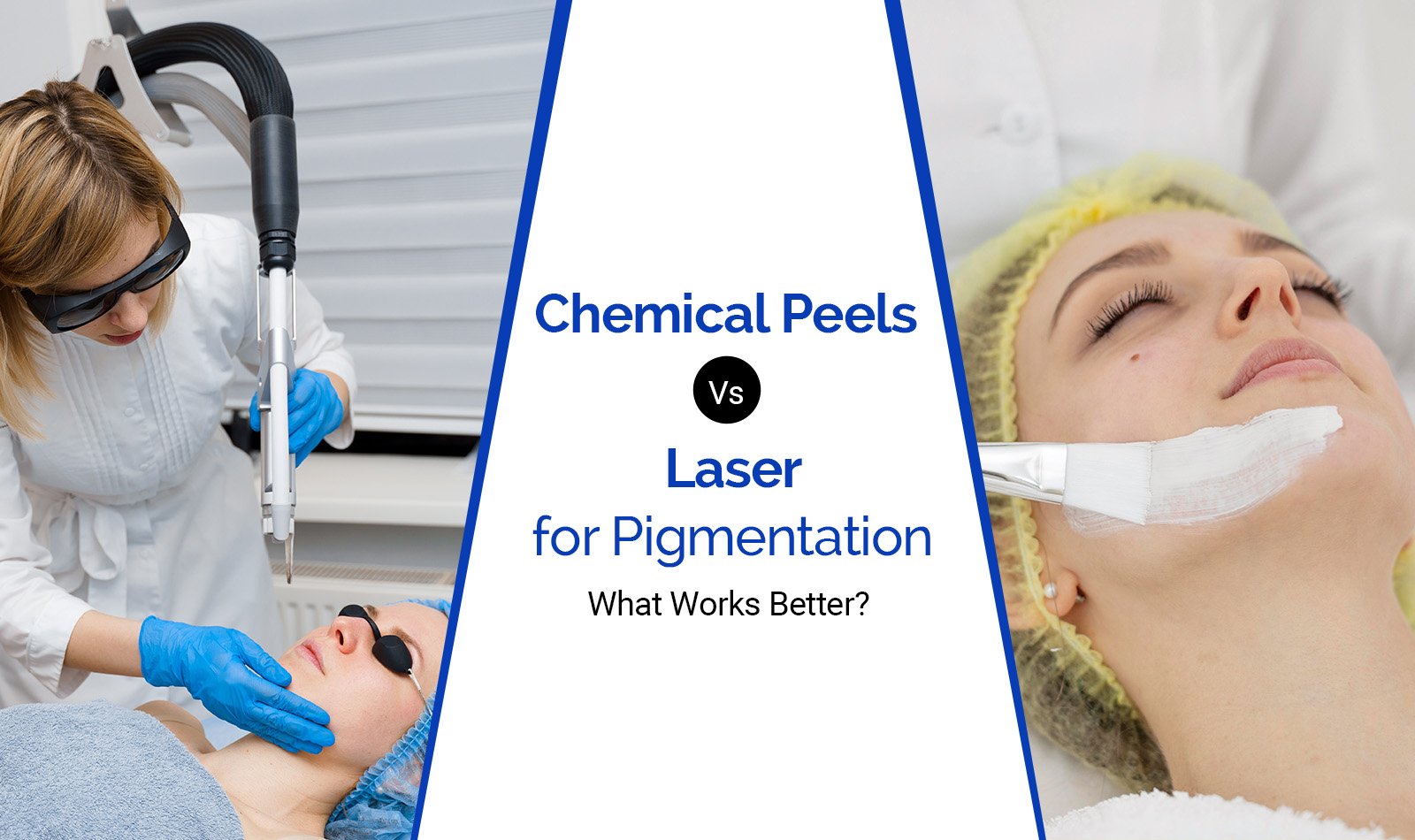
Chemical peels remove damaged surface layers. A controlled solution exfoliates skin and speeds cell turnover. New skin grows with improved tone. Dermatologists use glycolic acid, mandelic acid, lactic acid, salicylic acid, and trichloroacetic acid. Strength varies based on pigment depth and skin sensitivity. Chemical peel pigmentation treatment suits superficial dark patches. Acne marks. Mild melasma. Dull texture.
Recent dermatology reviews report consistent tone improvement after three to six sessions for epidermal pigmentation when performed under medical supervision.
How Laser Treatment Targets Pigmentation
Pigmentation laser treatment uses focused light energy. Laser beams target melanin clusters. Heat breaks pigment into smaller particles. Lymphatic systems clear fragments over time.
Modern devices in 2025 include Q-switched Nd:YAG and picosecond lasers. These systems focus energy precisely. Short pulse duration lowers surrounding tissue damage.
Laser treatment suits deeper pigmentation. Stubborn melasma. Sun induced patches. Mixed pigment depth.
Clinical data from 2024 Asian dermatology journals show measurable pigment reduction after two to four sessions with strict sun protection.
Laser vs Chemical Peel for Pigmentation
Below comparison helps decision making.
| Treatment Aspect | Chemical Peels | Laser Treatment |
| Pigment depth | Surface focused | Deep and mixed pigment |
| Downtime | Mild peeling for days | Redness for days |
| Sessions | Multiple sessions | Fewer sessions |
| Skin sensitivity | High sensitivity risk | Heat sensitivity risk |
| Results speed | Gradual | Faster visible change |
| Maintenance | Regular sessions | Maintenance spacing longer |
Each option suits different goals. Neither fits every skin type.
Which Option Works Better for Pakistani Skin
Pakistani skin reacts strongly to heat and irritation. Over treatment leads to rebound pigmentation. Gentle planning matters more than speed. Chemical peel pigmentation suits first time treatment seekers. Early pigment. Acne related marks. Younger skin. Pigmentation laser treatment suits deeper melasma and long term sun damage. Proper settings reduce burn risk. Medical supervision remains critical.
Dermatology generally recommends combination protocols. Mild chemical peels paired with low fluence laser sessions deliver stable outcomes.
Skin Brightening Expectations and Realistic Outcomes
Skin brightening means even tone. Not whitening. Results appear gradually. Maintenance plays a key role. Sun avoidance remains essential. Sunscreen daily use matters more than treatment choice. Without protection pigment returns.
Topical support after procedures includes azelaic acid, niacinamide, and mineral sunscreen. Dermatologists adjust routines per skin response.
Expert Opinion from Dermatology Practice
Dr Fehmida, consultant dermatologist, shares insight from clinical experience.
She states. Pigmentation treatment success depends on diagnosis accuracy. Melasma type, pigment depth, and skin behavior guide treatment choice. Laser and chemical peels both serve roles when used carefully.
Dr Fehmida emphasizes patient education and slow protocols. Her clinic approach focuses on safety for brown skin.
Dr Fehmida. Dermatologist Section
Dr Fehmida practices aesthetic and medical dermatology in Pakistan. She treats melasma, acne marks, and chronic pigmentation using evidence based protocols. Her clinic integrates chemical peels, laser systems, and topical regimens. Each plan aligns with skin type and lifestyle. Consultation includes pigment analysis and long term maintenance planning.
Visit doctorfehmida.com for appointment details and treatment information.
Cost Comparison in Pakistan
Chemical peels cost less per session. Multiple sessions increase total expense. Laser treatment costs more per session with fewer visits.
Average 2026 clinic pricing varies by city, equipment, and expertise. Treatment value depends on safety standards rather than lowest price.
Common Mistakes People Make
Many people choose based on trends. Others skip sunscreen. Some over treat skin hoping for fast results. These actions worsen pigmentation.
Medical guidance prevents setbacks. Patch testing matters. Follow up matters.
Final Thought
Chemical peels and laser treatments serve different pigment types. Safe outcomes depend on diagnosis, skin behavior, and expert care. Professional guidance shapes stable skin brightening results over time.
FAQs
1. Is pigmentation laser treatment safe for brown skin
Yes under trained dermatologists using correct settings and protocols.
2. Does chemical peel pigmentation treatment hurt
Mild stinging occurs. Discomfort stays brief under professional care.
3. Which option suits melasma better
Mixed approach works best. Treatment choice depends on pigment depth.
4. How long results last
Results last longer with sun protection and maintenance care.
5. Does skin brightening mean lighter skin tone
No. Skin brightening means even tone and reduced dark patches.6. How many sessions do people need
Chemical peels need several sessions. Laser needs fewer sessions based on response.