
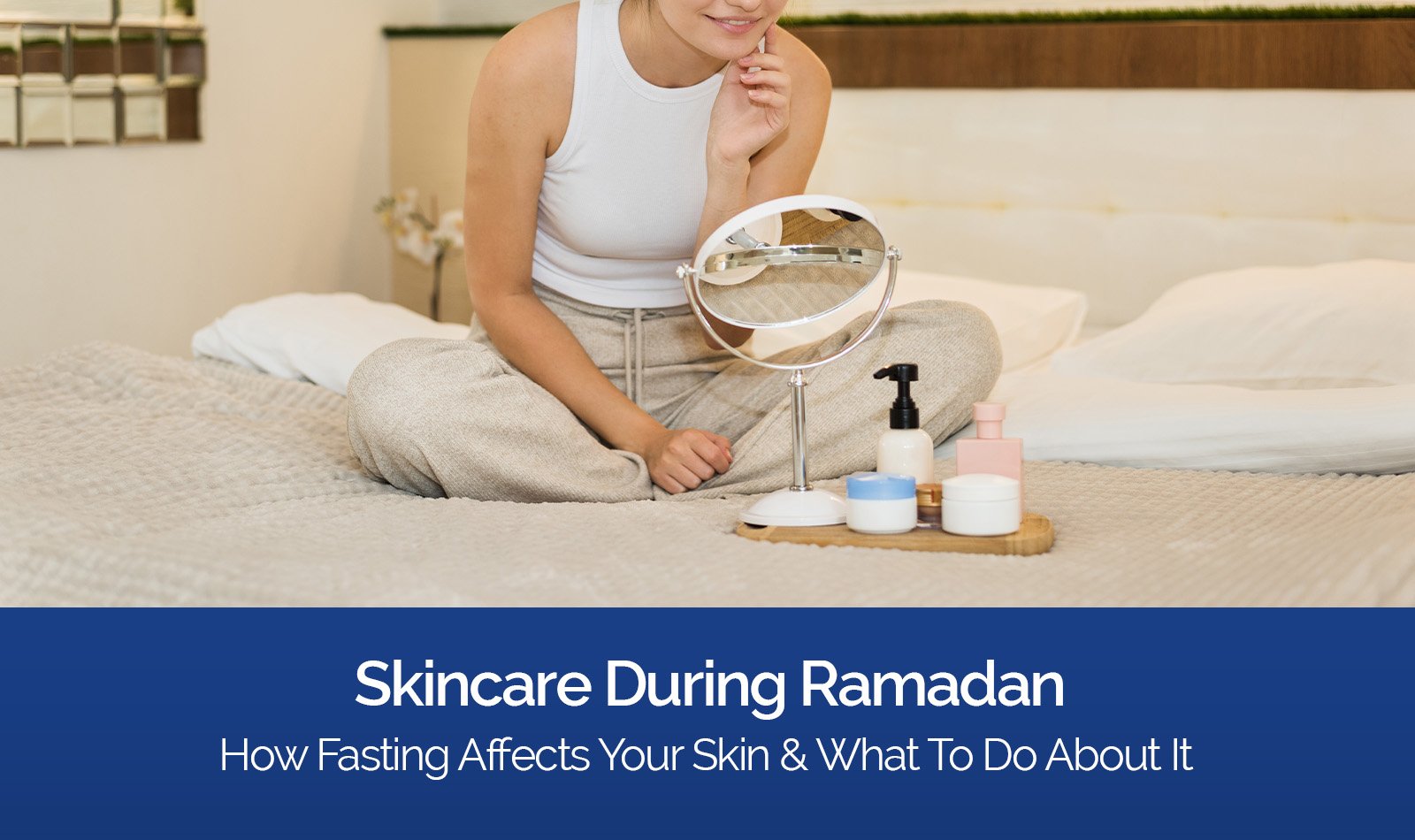
Ramadan is a time of spiritual reflection, discipline, and routine changes, including the way we eat, sleep, and hydrate. While most people focus on the internal benefits of fasting, many quietly struggle with visible skin concerns throughout the month. Dryness, dullness, breakouts, sensitivity, and tired-looking skin are all common complaints. That’s why understanding skincare during Ramadan becomes essential, not just for appearance but for maintaining overall skin health.
The good news is that fasting doesn’t damage your skin permanently. In fact, with the right habits and a thoughtful Ramadan skincare routine, your skin can remain balanced, hydrated, and even glow throughout the month.
Let’s explore how fasting and skin are connected, the reasons behind dehydration skin Ramadan concerns, and practical ways to keep your skin healthy while observing your fast.
How Fasting Affects Your Skin
Your skin reflects what’s happening inside your body. When your eating and hydration patterns change, your skin reacts, sometimes subtly and sometimes noticeably.
1. Dehydration and Moisture Loss
The most obvious change during fasting is reduced water intake throughout the day. This often leads to dehydration skin Ramadan, which shows up as tightness, flakiness, dull tone, and increased sensitivity. Even oily skin types can feel dehydrated because oil and hydration are not the same.
2. Slower Skin Repair Cycle
Sleep schedules often shift during Ramadan, especially with late nights and early mornings. Lack of quality sleep can slow down skin regeneration, causing tired-looking skin, uneven tone, and under-eye darkness.
3. Oil Imbalance and Breakouts
Changes in meal timing and food choices can trigger oil production changes. Some people experience dryness, while others notice clogged pores and breakouts due to heavier iftar meals or increased sugary intake.
4. Increased Sensitivity
When hydration drops and sleep is disrupted, the skin barrier becomes more fragile. This can lead to redness, irritation, and reactions to products that normally feel fine.
Understanding these effects helps you adjust your Ramadan skincare routine instead of reacting to skin issues after they appear.
Smart Hydration Habits That Reflect on Your Skin
Healthy skin during Ramadan starts between iftar and suhoor. What you consume directly influences hydration levels and skin clarity.
- Don’t drink water consistently instead of all at once just in suhoor. Slow hydration supports skin elasticity better.
- Include water-rich foods like cucumbers, watermelon, and soups.
- Avoid excessive caffeine and salty foods that can worsen dehydration skin Ramadan.
- Add healthy fats such as nuts and avocado to maintain skin barrier strength.
These small choices significantly improve fasting and skin balance.
A Simple and Effective Ramadan Skincare Routine
Your skincare doesn’t need to be complicated. The goal is to support hydration, protect the barrier, and avoid overloading your skin.
1. Morning (After Suhoor)
- Use a gentle cleanser to remove overnight oil without stripping moisture.
- Apply a hydrating toner or essence.
- Choose a lightweight moisturizer that locks in hydration.
- Always apply sunscreen, even if you’re mostly indoors.
2. Evening (After Iftar)
This is the best time for treatment products because your body is rehydrating.
- Cleanse thoroughly to remove sunscreen, sweat, and impurities.
- Apply hydrating serums with ingredients that support moisture retention.
- Use a nourishing moisturizer to restore balance.
- If needed, apply targeted treatments for acne or pigmentation.
3. Before Sleeping
- Focus on barrier repair with richer moisturizers or sleeping masks.
- Keep lip and under-eye care consistent, as these areas show dehydration first.
A consistent skincare during Ramadan approach is more effective than using multiple products inconsistently.
Common Skin Concerns During Ramadan and How to Handle Them
Dry and Dull Skin
Increase hydration layers in your routine rather than using heavy creams alone. Lightweight hydration absorbs better and prevents congestion.
Breakouts
If breakouts appear, avoid harsh treatments that worsen sensitivity. Instead, focus on gentle cleansing and oil balance.
Dark Circles and Tired Appearance
Sleep quality matters more than duration. Even small improvements in rest can visibly improve skin brightness.
Sensitive or Irritated Skin
Stick to simple products and avoid experimenting with strong actives during fasting periods when the skin barrier may already be compromised.
Since fasting can sometimes contribute to internal dehydration, supportive options such as IV Therapy may help restore hydration levels and support overall skin vitality from within.
Ingredients That Work Best During Ramadan
Choosing the right ingredients makes fasting and skin management much easier.
- Hydrating ingredients that retain moisture
- Barrier-supporting ingredients that reduce sensitivity
- Gentle exfoliating ingredients used sparingly
- Soothing ingredients that calm redness and irritation
Avoid overusing strong exfoliants or aggressive treatments, as they can worsen dehydration skin Ramadan issues.
Lifestyle Habits That Quietly Improve Your Skin
Your skincare routine alone cannot compensate for lifestyle shifts. A few mindful habits can make a visible difference:
- Maintain a steady sleep schedule whenever possible
- Manage stress levels through relaxation and reflection
- Avoid touching your face frequently
- Keep makeup lightweight to prevent congestion
When combined with a proper Ramadan skincare routine, these habits help maintain a natural glow throughout the month.
If your skin feels persistently dull or dehydrated despite a consistent routine, hydration-focused treatments like a HydraFacial can help deeply cleanse, replenish moisture, and restore a fresh Ramadan glow.
When Professional Skincare Support Can Help
Sometimes, home care isn’t enough, especially if dehydration, breakouts, or sensitivity persist. In such cases, professional guidance can help you understand your skin’s changing needs without over-treating it.
If you feel your skin becoming unusually reactive, excessively dry, or prone to breakouts during Ramadan, consulting a qualified skin professional can provide clarity and reassurance. Gentle, hydration-focused treatments and personalized skincare advice can support your skin without interfering with your fasting routine.
For individuals noticing pigmentation, tired skin, or uneven texture during Ramadan, personalized skin rejuvenation treatments can help maintain skin clarity while respecting your skin’s sensitivity during fasting.
In Last
Ramadan doesn’t have to mean struggling with your skin. Once you understand the connection between skincare during Ramadan, hydration patterns, and lifestyle changes, managing your skin becomes much easier.
The key is consistency, simplicity, and listening to what your skin needs instead of overloading it with products. By maintaining hydration between iftar and suhoor, protecting your skin barrier, and following a thoughtful Ramadan skincare routine, you can keep your skin comfortable, healthy, and naturally radiant throughout the month.
Fasting is a beautiful reset for the body and mind, and with the right care, your skin can reflect that inner balance too.If you’re unsure how to adjust your skincare during Ramadan or want guidance tailored to your skin type, you can always book a consultation to better understand what your skin truly needs.