
Contents
- 1 What Is a Chemical Peel Treatment
- 2 Chemical Peel Benefits for Everyday Skin Concerns
- 3 How Chemical Peels Help With Pigmentation
- 4 Chemical Peels for Acne Scar Treatment
- 5 Skin Resurfacing Peel for Dull and Tired Skin
- 6 What to Expect During and After the Treatment
- 7 A Doctor Guided Approach to Chemical Peels
- 8 When Should You Consider a Chemical Peel
- 9 Final Thoughts on Chemical Peel Treatment
If your skin has started to look uneven, tired, or marked by acne scars, you are not alone. These are some of the most common concerns I see in clinic, and many patients want something effective yet controlled. One option that often comes up in these conversations is a chemical peel treatment.
There is a lot of confusion around peels. Some people think they are harsh, while others expect instant dramatic results. The truth lies somewhere in between. When done correctly, a chemical peel treatment is a medically guided way to refresh the skin, improve texture, and gradually correct concerns like pigmentation and scarring.
Let us go through how it works, what to expect, and whether it is the right choice for your skin.
What Is a Chemical Peel Treatment
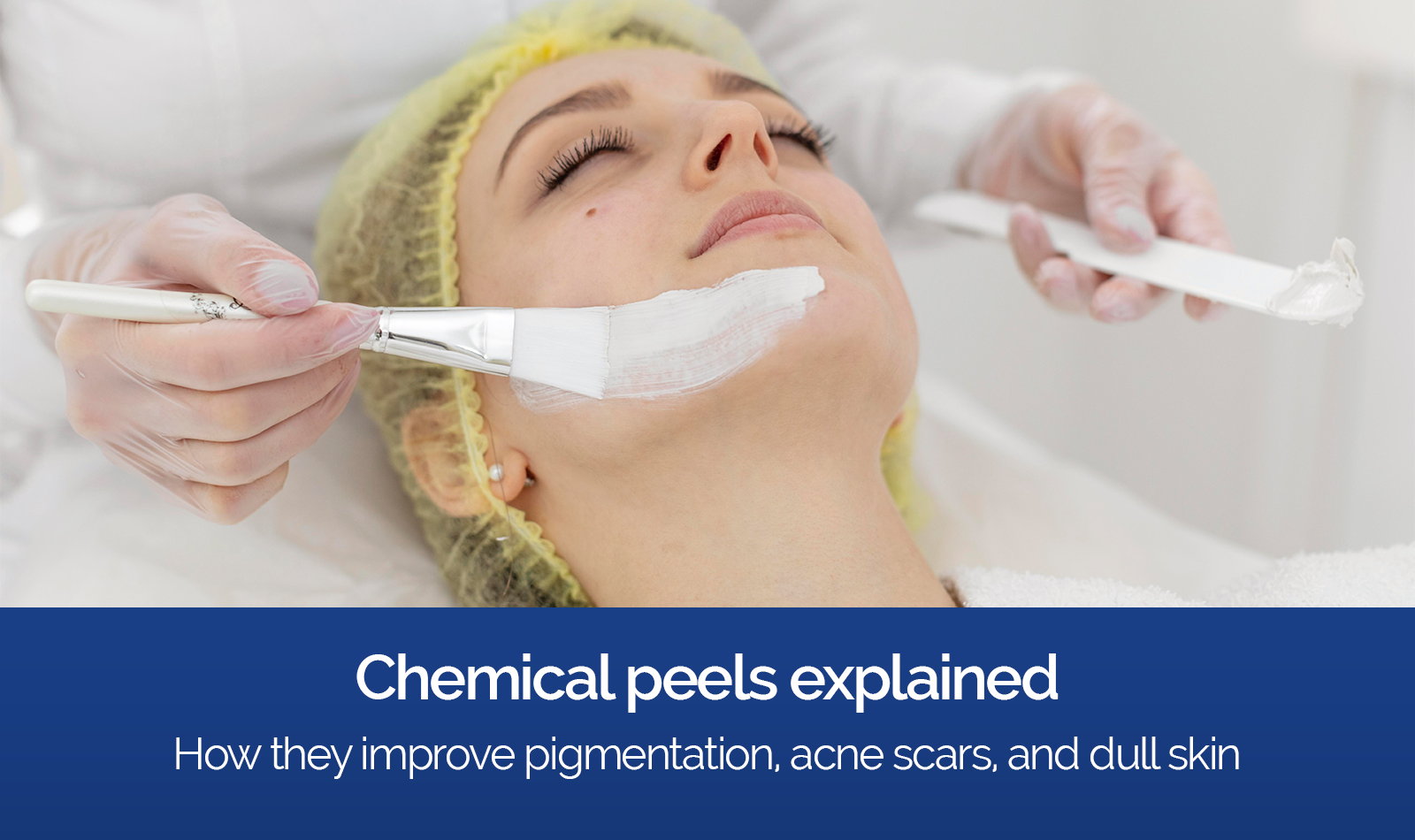
A chemical peel treatment is a procedure where a carefully selected solution is applied to the skin to exfoliate the outer layers. This process encourages the skin to shed damaged cells and replace them with newer, healthier ones.
Depending on the type of peel, the treatment can work on the surface or slightly deeper layers of the skin. The aim is not to damage the skin but to stimulate controlled renewal. This is why peels are often described as a form of skin resurfacing peel that helps improve overall skin quality over time.
Chemical Peel Benefits for Everyday Skin Concerns
When patients ask about chemical peel benefits, I usually explain them in simple terms. Peels help reset the skin. They remove buildup, improve cell turnover, and allow the skin to function more efficiently.
Some of the most noticeable chemical peel benefits include:
- Brighter and more even skin tone
- Smoother texture
- Reduction in mild pigmentation
- Improved clarity and freshness
These results do not happen overnight, but with proper sessions, the skin gradually starts to look healthier and more refined.
How Chemical Peels Help With Pigmentation
Pigmentation is often stubborn, especially in skin types that are more prone to it. A chemical peel treatment helps by gently lifting excess pigment from the upper layers of the skin.
Over time, this leads to a more even complexion. The key is consistency and using peels that are suitable for your skin type. Aggressive treatments can sometimes worsen pigmentation, which is why controlled application is important.
When used correctly, a skin resurfacing peel can support long term improvement in uneven tone without causing unnecessary irritation.
Chemical Peels for Acne Scar Treatment
Acne scars can be frustrating because they affect both texture and appearance. While deeper scars may require combined approaches, peels are often part of an effective acne scar treatment plan.
A chemical peel treatment helps by encouraging new skin cell formation and improving surface irregularities. With repeated sessions, the skin appears smoother and scars become less noticeable.
For patients dealing with active acne along with scarring, peels can also help keep pores clear and reduce breakouts, making them a useful addition to an overall acne scar treatment strategy.
If you want to explore how acne is managed alongside scarring concerns, you can learn more about Acne Treatment Services and how different approaches are combined.
Skin Resurfacing Peel for Dull and Tired Skin
Dull skin is often a result of dead cell buildup, dehydration, or slow cell turnover. A skin resurfacing peel helps remove this buildup and allows fresh skin to come forward.
Patients often notice that their skin looks more radiant and feels smoother after a few sessions. It is not about changing your skin completely. It is about helping it function better.
A chemical peel treatment is particularly helpful before events or seasonal changes when the skin needs a reset.
What to Expect During and After the Treatment
One of the most common concerns is discomfort. Most peels are well tolerated when selected appropriately. You may feel mild tingling during the procedure, followed by slight redness or dryness afterward.
Peeling may or may not be visible depending on the type of peel used. Some treatments involve minimal flaking, while others may have a short downtime.
The most important part is aftercare. Sun protection, hydration, and avoiding harsh products help maintain results and protect the skin.
A Doctor Guided Approach to Chemical Peels
Not every peel suits every patient. Skin type, sensitivity, and the concern being treated all influence the choice of peel.
At Dr. Fehmida Aesthetic Clinic, peels are selected carefully based on individual skin needs. The focus is on gradual improvement and maintaining skin health rather than using overly aggressive methods.
For those interested in understanding the treatment in more detail, you can explore Chemical Peel Treatment and how it is tailored for different skin concerns.
In many cases, peels are also combined with broader Skin Rejuvenation Treatments to improve overall skin quality.
This balanced approach ensures that results look natural and the skin remains comfortable throughout the process.
When Should You Consider a Chemical Peel
If you are dealing with uneven tone, mild acne scars, or dull skin that does not improve with basic skincare, it may be the right time to consider a chemical peel treatment.
Peels are not a one time solution. They work best as part of a structured plan that supports long term skin health.
A consultation helps determine the right type of peel and the number of sessions needed for your specific concern.
Final Thoughts on Chemical Peel Treatment
A chemical peel treatment is one of the most effective ways to improve skin texture, tone, and clarity when done correctly. From addressing pigmentation to supporting acne scar treatment and enhancing radiance through a skin resurfacing peel, the benefits are both practical and visible over time.
The key is to approach it with realistic expectations and proper guidance. When your skin is treated gently and consistently, the results tend to be more natural and long lasting.
Healthy skin is not about quick fixes. It is about choosing the right treatments at the right time and allowing your skin to improve in a safe and steady way.