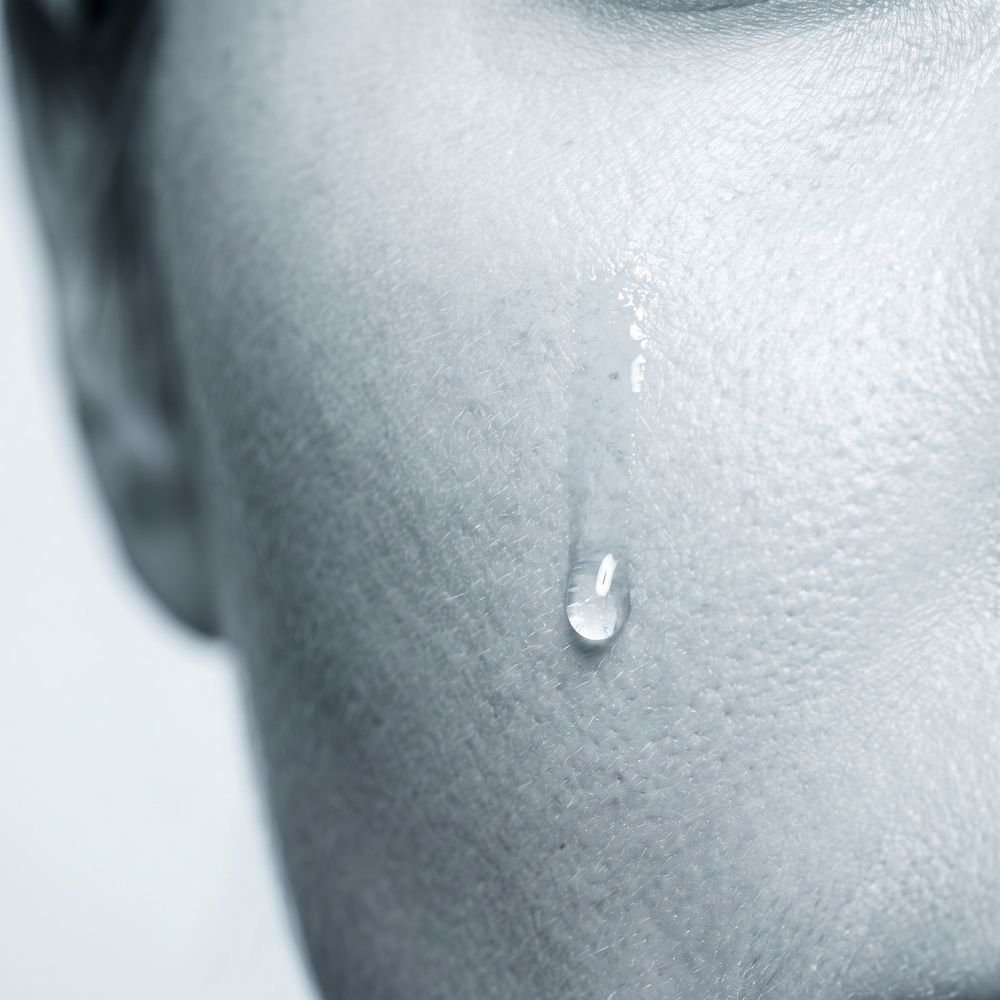

Rapid weight loss on GLP-1 medicines can hollow the face and loosen skin. Here is how to protect your skin while the weight comes off.
Weight loss injections have changed what is possible for people who struggled with their weight for years. Across Karachi, more of our patients are losing fifteen, twenty, even thirty kilograms on GLP-1 medicines such as Mounjaro and Ozempic. The results on the scale are often remarkable. Then, a few months in, many of them look in the mirror and notice something they did not expect. The face looks older. The cheeks sit lower. The jawline has softened, and the skin on the neck, arms or tummy feels looser than before.
This is what people now call Ozempic face, and it has become one of the most discussed topics in aesthetic medicine worldwide. It is not a reason to avoid treating obesity, which carries far greater health risks than loose skin ever will. But it is real, it is predictable, and the good news is that it is very treatable, especially when you plan for it early.
What is Ozempic face?
Ozempic face is not a medical diagnosis, and it is not caused by the medicine itself. It is simply what rapid, significant fat loss looks like on a face. The term took off because GLP-1 medicines make that kind of weight loss common, but the same changes happen after bariatric surgery or any fast transformation.
Your face carries deep and superficial fat pads that give the cheeks, temples and under-eye area their youthful fullness. When you lose weight quickly, those pads shrink along with the rest of your body fat. At the same time, the skin envelope that was stretched over a fuller face does not always shrink back at the same pace. The result is a combination of volume loss and skin laxity: hollowed cheeks and temples, deeper smile lines, under-eye shadows, early jowls and a less defined jawline.
The same process happens below the neck. Patients often notice crepey skin on the upper arms, a deflated look through the chest and tummy, and loose inner thighs. Some also lose muscle along with fat, which flattens the body’s natural contours and can slow the metabolism, making the result harder to maintain.
Why some people notice it more than others
Three things decide how your skin responds to major weight loss. The first is age. From our mid thirties onwards, collagen production declines every year, so skin has less ability to bounce back. A 28 year old who loses twenty kilograms usually retracts well. A 48 year old losing the same amount often does not.
The second is speed. Skin is living tissue and it remodels slowly. Weight lost over twelve to eighteen months gives the skin time to adapt. Weight lost in four months rarely does.
The third is how much muscle you keep. GLP-1 medicines reduce appetite so effectively that many people under-eat protein and stop training without realising it. Studies suggest a meaningful share of the weight lost on these medicines can come from lean muscle rather than fat. Muscle is what keeps the body firm underneath the skin, so losing it makes laxity look worse.
If you are considering these medicines, it is worth reading our guide on Mounjaro availability in Pakistan first, and having the treatment supervised by a doctor rather than sourced informally.
How we protect your face while the weight comes off
The best results come when skin is supported during the weight loss journey, not repaired after it. At the clinic we usually build a plan around three pillars.
Collagen banking. Treatments that stimulate your own collagen work best when started early, because they slow the laxity before it becomes visible. Radiofrequency skin tightening is the workhorse here. Our XERF deep radiofrequency treatment heats the deeper layers of the skin to trigger new collagen over the following months, with no needles and very little downtime. For patients who prefer a laser pathway, Fotona 4D works on the skin from the inside of the mouth as well as the surface.
Restoring structure. Once significant volume has been lost, stimulating collagen alone may not be enough. For jowls, jawline definition and the lower face, Endolift X uses a hair-thin laser fibre under the skin to tighten tissue and gently reduce small stubborn fat pockets while firming the area above. Biostimulator injections such as Sculptra and Profhilo can rebuild gradual, natural looking support in hollowed cheeks and temples, which is a very different thing from simply filling the face.
Keeping the muscle. For the body, we pair any fat loss journey with muscle preservation. Emsculpt Neo builds muscle and reduces fat in the same session, which helps protect the tummy, arms and buttocks from the deflated look that fast weight loss can leave behind. Alongside that, we ask every patient on a GLP-1 medicine to prioritise protein and resistance exercise. It sounds simple. It changes the outcome more than any device.
When should you start?
Ideally, before the mirror starts bothering you. We like to see patients within the first two to three months of starting a weight loss medicine, assess their skin quality, and map out what is likely to happen based on their age, skin type and target weight. Some need nothing more than monitoring and a skincare plan. Others benefit from starting collagen stimulating treatments midway through the journey, with structural work saved for the end once the weight has stabilised.
If you have already finished losing weight and the laxity is bothering you, nothing is lost. The same tools apply, and a consultation will tell us whether your skin needs tightening, volume, resurfacing or a combination.
Frequently asked questions
Does Ozempic or Mounjaro damage the skin directly?
No. These medicines do not harm skin tissue. The changes people call Ozempic face are the result of losing facial fat quickly, which can happen with any method of rapid weight loss.
Will my skin tighten back on its own?
Sometimes, partially. Younger patients who lose moderate amounts of weight slowly often retract well. Older patients, larger losses and faster losses all reduce the chance of full natural recovery. A skin assessment can give you a realistic picture.
Should I wait until I reach my goal weight before treating my skin?
Not necessarily. Collagen stimulating treatments work well during the journey and may prevent laxity from setting in. Structural treatments for contour are usually best once your weight has been stable for a few months.
What about loose skin on the body, not just the face?
The arms, tummy, thighs and buttocks respond to the same logic. Radiofrequency and laser tightening help the skin itself, and Emsculpt Neo restores the muscle underneath. The right combination depends on how much laxity there is and where.
Can anything prevent Ozempic face completely?
A slower rate of loss, adequate protein, resistance training and early collagen support together make a dramatic difference. Prevention is never total, but patients who plan ahead consistently look better at the end of their journey than those who wait.
A note from the clinic
Dr. Fehmida Arif has practised dermatology for over 35 years and has guided many patients through weight transformations without losing the freshness of their face. If you are on a weight loss medicine, or planning to start one, come in for a skin assessment early. A little planning now saves a great deal of correction later.
Medical disclaimer: This article is for general education only and is not a substitute for medical advice. GLP-1 medicines such as semaglutide and tirzepatide are prescription treatments with potential side effects and contraindications, and they should only be used under the supervision of a qualified doctor. Individual results from any treatment mentioned here vary from person to person. Please consult a physician before starting, stopping or changing any medication, and consult a dermatologist to find out whether a treatment is suitable for you.

Consultant Dermatologist and Laser Skin Specialist, MBBS, MCPS. Over 35 years in dermatology, five of them in Zurich, practising in Clifton, Karachi since 1999.
About Dr. Fehmida →